Discover the Advantages of Clamp-On Flowmeter Transducers for Accurate Flow Measurement
Apr 03,2025
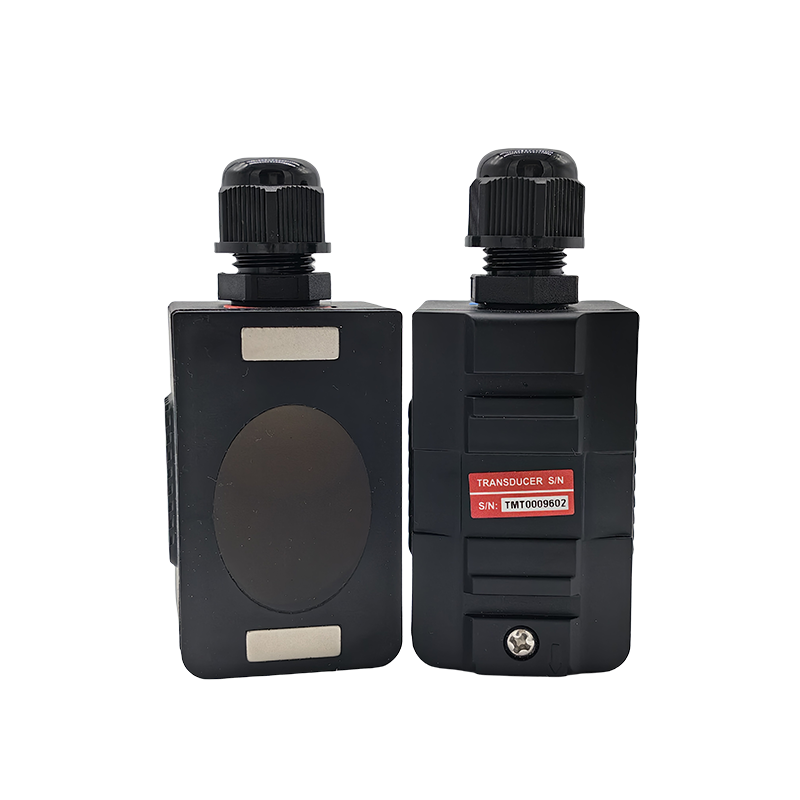
Discover the Benefits of Clamp-On Flowmeter Transducers
Table of Contents
- 1. Introduction to Clamp-On Flowmeter Transducers
- 2. What is a Clamp-On Flowmeter?
- 3. How Do Clamp-On Flowmeters Work?
- 4. Advantages of Using Clamp-On Flowmeter Transducers
- 4.1 Non-Invasive Measurement
- 4.2 Easy Installation and Setup
- 4.3 Versatility Across Applications
- 4.4 Cost-Effectiveness
- 5. Applications of Clamp-On Flowmeter Transducers
- 6. Comparison with Other Types of Flow Meters
- 7. Maintenance and Care of Clamp-On Flowmeters
- 8. Frequently Asked Questions
- 9. Conclusion
1. Introduction to Clamp-On Flowmeter Transducers
In the realm of fluid dynamics, precision is paramount. **Clamp-on flowmeter transducers** have emerged as innovative devices that cater to this need. Unlike traditional flow measurement systems that require extensive alterations to existing piping, clamp-on transducers provide a **non-invasive** solution. They offer a unique blend of accuracy, efficiency, and convenience, making them invaluable in various sectors.
2. What is a Clamp-On Flowmeter?
A clamp-on flowmeter is a type of flow measurement device that attaches externally to pipes without the need for cutting or modifying the pipe itself. It utilizes ultrasonic technology to measure fluid flow by sending and receiving sound waves through the fluid. This method ensures that measurements can be taken without interrupting the process or causing any damage to the piping system.
3. How Do Clamp-On Flowmeters Work?
Clamp-on flowmeters operate on the principle of **ultrasonic transit time measurement**. Here's how the process works:
1. **Ultrasonic Signal Transmission**: The transducer emits ultrasonic signals that travel through the pipe and the fluid.
2. **Transit Time Measurement**: The device measures the time it takes for the signals to travel downstream and upstream.
3. **Flow Calculation**: By comparing the transit times, the flowmeter calculates the flow velocity and, consequently, the flow rate.
This technology allows for accurate measurements across a wide range of flow conditions and fluid types.
4. Advantages of Using Clamp-On Flowmeter Transducers
Clamp-on flowmeter transducers come with numerous benefits that set them apart from traditional flow measurement devices.
4.1 Non-Invasive Measurement
One of the most significant advantages of clamp-on transducers is their ability to provide **non-invasive measurement**. Since these devices do not require any modifications to the piping system, they eliminate the risks associated with pipe cutting, welding, or potential leaks. This attribute makes them ideal for applications where maintaining system integrity is vital.
4.2 Easy Installation and Setup
Installation of clamp-on flowmeters is straightforward. The user simply clamps the transducer onto the pipe, connects it to the monitoring system, and calibrates it. This simplicity drastically reduces installation time and costs, allowing for immediate use without extensive downtime.
4.3 Versatility Across Applications
Clamp-on flowmeters are highly versatile and can be used in various applications, including:
- Water treatment plants
- HVAC systems
- Chemical processing
- Oil and gas industries
- Food and beverage manufacturing
This wide applicability ensures that businesses across different sectors can benefit from accurate flow measurement.
4.4 Cost-Effectiveness
Due to their non-invasive nature and ease of installation, clamp-on flowmeters often come with lower installation costs compared to traditional flow measurement systems. Additionally, they require minimal maintenance, further reducing long-term operational costs.
5. Applications of Clamp-On Flowmeter Transducers
The adaptability of clamp-on flowmeter transducers makes them suitable for numerous applications. Here are some key sectors where they excel:
- **Water and Wastewater Management**: Accurate flow measurement is crucial for optimizing treatment processes and ensuring regulatory compliance.
- **Industrial Manufacturing**: In manufacturing processes, precise flow measurement aids in quality control and efficiency.
- **Energy Sector**: Monitoring the flow of fuels and gases helps in managing resources and ensuring safety.
- **Food and Beverage**: Maintaining hygiene and quality standards is vital, making accurate flow measurement essential in this sector.
6. Comparison with Other Types of Flow Meters
When choosing a flow measurement technology, it’s important to understand how clamp-on flowmeters stack up against other types:
- **Insertion Flowmeters**: While these devices can be accurate, they require pipe modifications and may disrupt flow patterns.
- **Magnetic Flowmeters**: These are excellent for conductive liquids but can be cost-prohibitive and require extensive setup.
- **Turbine Flowmeters**: These are suitable for specific applications but may struggle with viscous fluids, and they also require installation.
Clamp-on flowmeters stand out due to their **non-invasive** installation, versatility, and cost-effectiveness.
7. Maintenance and Care of Clamp-On Flowmeters
To ensure optimal performance, regular maintenance is essential. Here are some best practices:
- **Regular Calibration**: Ensure that the flowmeter is calibrated according to the manufacturer’s recommendations.
- **Cleaning**: While clamp-on transducers are low-maintenance, keeping the sensors clean and free from debris helps maintain accuracy.
- **Inspect Connections**: Regularly check the connections and cables for wear or damage to prevent any operational issues.
Performing these maintenance tasks will help extend the lifespan of the flowmeter and ensure accurate measurements.
8. Frequently Asked Questions
What types of fluids can clamp-on flowmeters measure?
Clamp-on flowmeters can measure a variety of fluids, including water, oils, and even some chemicals, making them versatile for different industries.
Are clamp-on flowmeters accurate?
Yes, when properly installed and calibrated, clamp-on flowmeters provide accurate measurements similar to traditional flow meters.
How long does it take to install a clamp-on flowmeter?
Installation is typically quick, often taking less than an hour, depending on the specific setup and configuration.
Can clamp-on flowmeters be used for large pipes?
Yes, clamp-on flowmeters are available for a range of pipe sizes, including large industrial pipes.
What is the lifespan of a clamp-on flowmeter?
With proper care and maintenance, clamp-on flowmeters can last many years, often exceeding a decade.
9. Conclusion
In summary, **clamp-on flowmeter transducers** represent a significant advancement in flow measurement technology. Their **non-invasive** nature, ease of installation, versatility across various applications, and cost-effectiveness make them a top choice for industries looking to enhance their operational efficiency. As sectors continue to evolve and demand more precise measurements, clamp-on flowmeters will undoubtedly play a crucial role in ensuring accuracy and reliability in fluid dynamics. Embrace this technology and unlock the benefits it offers for your business today.
TAG: