The Future of Fluid Measurement: Innovations in Ultrasonic Technology
Apr 17,2026
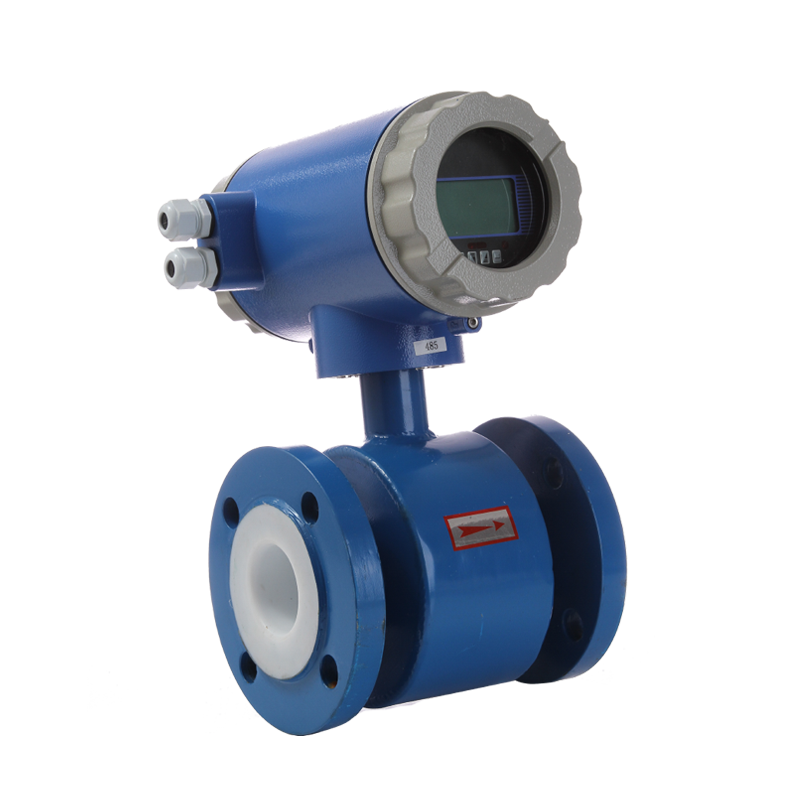
The Future of Fluid Measurement: Innovations in Ultrasonic Technology
Fluid measurement is an essential aspect of various industries, including oil and gas, water treatment, pharmaceuticals, and food production. With the advancement of technology, traditional methods are being transformed, leading to enhanced accuracy, efficiency, and reliability. Among these transformative technologies, ultrasonic measurement stands out as a game-changer. This article delves into the **future of fluid measurement** by exploring the innovations in **ultrasonic technology** and their implications across various sectors.
Understanding Ultrasonic Technology in Fluid Measurement
Ultrasonic technology utilizes high-frequency sound waves to determine the flow rate of liquids and gases. By sending ultrasonic pulses through the fluid, it measures the time taken for these waves to travel from the transmitter to the receiver. The difference in travel time allows for accurate flow measurement.
How Ultrasonic Measurement Works
Ultrasonic flow meters typically operate using two main principles: the **Time of Flight (ToF)** method and the **Doppler Effect**.
- **Time of Flight (ToF):** This method measures the time it takes for an ultrasonic pulse to travel upstream and downstream. By calculating the difference in times, the flow rate can be accurately determined.
- **Doppler Effect:** This principle is based on the frequency shift of sound waves reflected off moving particles within the fluid. By analyzing the frequency changes, the system calculates the flow velocity.
Advantages of Ultrasonic Technology Over Traditional Methods
When compared to traditional fluid measurement methods, such as **mechanical flow meters** or **positive displacement meters**, ultrasonic technology offers several distinct advantages:
1. Non-Intrusive Measurement
Ultrasonic flow meters are non-intrusive, meaning they do not come into direct contact with the fluid. This characteristic reduces wear and tear, minimizes maintenance, and eliminates contamination risks, making them ideal for sensitive applications.
2. High Accuracy and Reliability
One of the most significant benefits of ultrasonic technology is its high accuracy. With advancements in calibration and signal processing, modern ultrasonic flow meters can achieve measurement accuracies of ±0.5% or better, ensuring precise readings under varying conditions.
3. Versatility in Applications
Ultrasonic flow meters can measure various types of fluids, including clean water, wastewater, chemicals, and even slurries. Their adaptability makes them a preferred choice across multiple industries.
4. Minimal Maintenance Requirements
Due to their non-intrusive nature and absence of moving parts, ultrasonic flow meters require minimal maintenance. This feature not only reduces operational costs but also increases equipment longevity.
5. Real-Time Data and Connectivity
Modern ultrasonic flow meters often come equipped with communication capabilities, enabling real-time data transmission to centralized monitoring systems. This feature allows for better process control and timely decision-making.
Innovations Shaping the Future of Ultrasonic Flow Measurement
As industries continue to embrace technological advancements, several innovations in ultrasonic flow measurement are gaining traction. These innovations promise to enhance the capabilities and performance of ultrasonic technology even further.
1. Integration with IoT and Industry 4.0
The integration of ultrasonic flow meters with the Internet of Things (IoT) and Industry 4.0 is shaping the future of fluid measurement. By connecting these devices to cloud-based platforms, businesses can monitor flow rates in real-time, analyze data for predictive maintenance, and optimize processes.
2. Enhanced Signal Processing Algorithms
Advancements in signal processing algorithms are improving the accuracy and reliability of ultrasonic flow measurements. Machine learning techniques are being applied to filter out noise and enhance data interpretation, leading to more precise flow measurements in challenging environments.
3. Portable Ultrasonic Flow Meters
The development of portable ultrasonic flow meters is a significant innovation, enabling users to measure flow rates on-site without the need for permanent installation. These devices are invaluable for temporary applications, such as leak detection and flow verification.
4. Multi-Channel Measurement Systems
Innovations in multi-channel measurement systems allow users to measure multiple fluid streams simultaneously. This feature is particularly beneficial in complex industrial applications where various fluids must be monitored and managed concurrently.
5. Advanced Calibration Techniques
New calibration techniques are being developed to ensure the accuracy of ultrasonic flow meters in different applications. These methods account for factors such as temperature, pressure, and fluid composition, providing more reliable measurements across diverse operating conditions.
Applications of Ultrasonic Flow Measurement Technology
Ultrasonic flow measurement technology finds applications across various sectors, each benefiting from its unique advantages.
1. Water and Wastewater Treatment
In water treatment facilities, ultrasonic flow meters play a crucial role in monitoring flow rates, ensuring compliance with regulations, and optimizing chemical dosing processes. Their non-intrusive nature makes them ideal for measuring wastewater, where contamination risk is a concern.
2. Oil and Gas Industry
The oil and gas industry utilizes ultrasonic flow meters for accurate measurement of crude oil, natural gas, and refined products. Their ability to measure under extreme conditions and their resistance to corrosion make them a reliable choice for this sector.
3. Food and Beverage Sector
In the food and beverage industry, maintaining hygiene and preventing contamination is paramount. Ultrasonic flow meters, being non-intrusive, meet these hygiene requirements while providing accurate measurements for liquid ingredients.
4. Pharmaceutical Manufacturing
Pharmaceutical manufacturers benefit from ultrasonic flow measurement technology by ensuring precise dosing and monitoring of active ingredients. The ability to measure without contacting the fluid helps maintain the integrity of sensitive formulations.
5. HVAC Systems
In heating, ventilation, and air conditioning (HVAC) systems, ultrasonic flow meters monitor fluid flow rates to optimize energy consumption and improve system performance. Their quick response times contribute to better control over heating and cooling processes.
Challenges and Considerations in Ultrasonic Flow Measurement
While ultrasonic flow measurement technology presents numerous advantages, there are challenges and considerations to keep in mind.
1. Fluid Properties
The accuracy of ultrasonic flow meters can be affected by the properties of the fluid being measured, such as viscosity, density, and the presence of particulates. It is essential to select the right type of ultrasonic flow meter based on the fluid characteristics for optimal performance.
2. Environmental Factors
Environmental factors, including temperature fluctuations and pressure variations, can impact the performance of ultrasonic flow meters. Ensuring appropriate calibration and installation in these conditions is critical for maintaining measurement accuracy.
3. Installation Requirements
Proper installation of ultrasonic flow meters is crucial for achieving accurate measurements. Factors such as pipe diameters, flow straighteners, and installation lengths must be carefully considered to avoid turbulence that could affect readings.
The Future Outlook: Embracing Innovations in Ultrasonic Technology
As industries continue to evolve in response to technological advancements, the future of fluid measurement will undoubtedly be shaped by innovations in ultrasonic technology. Businesses that adopt these advancements will find themselves better equipped to meet industry demands, enhance operational efficiencies, and reduce costs.
The integration of IoT, enhanced signal processing, and advanced calibration techniques will pave the way for more accurate and reliable fluid measurement solutions. Furthermore, the versatility and adaptability of ultrasonic technology will ensure its continued relevance across diverse applications.
Frequently Asked Questions (FAQs)
1. What are the key advantages of ultrasonic flow measurement technology?
Ultrasonic flow measurement technology offers numerous advantages, including non-intrusive measurement, high accuracy, versatility in applications, minimal maintenance, and real-time data connectivity.
2. How does ultrasonic flow measurement work?
Ultrasonic flow measurement works by sending high-frequency sound waves through the fluid and measuring the time it takes for these waves to travel from the transmitter to the receiver. The difference in travel time is used to calculate the flow rate.
3. What industries benefit most from ultrasonic flow measurement?
Industries such as water treatment, oil and gas, food and beverage, pharmaceuticals, and HVAC systems benefit significantly from ultrasonic flow measurement technology.
4. Can ultrasonic flow meters measure different types of fluids?
Yes, ultrasonic flow meters are versatile and can measure various types of fluids, including clean water, wastewater, chemicals, and slurries.
5. What are the challenges associated with ultrasonic flow measurement?
Challenges include the impact of fluid properties on measurement accuracy, environmental factors that may affect performance, and the importance of proper installation to avoid turbulence.
Conclusion
The future of fluid measurement is bright, driven by innovations in ultrasonic technology. As industries demand higher accuracy and efficiency, ultrasonic flow meters are poised to offer solutions that meet these requirements. By embracing these advancements, businesses can enhance their operational capabilities and pave the way for a more resource-efficient future. The continuous evolution of ultrasonic technology will undoubtedly redefine how we measure and manage fluid processes, ensuring sustainability and reliability across various sectors.
TAG: