Understanding Octave Ultrasonic Flow Meters: A Comprehensive Guide
Apr 15,2026
---
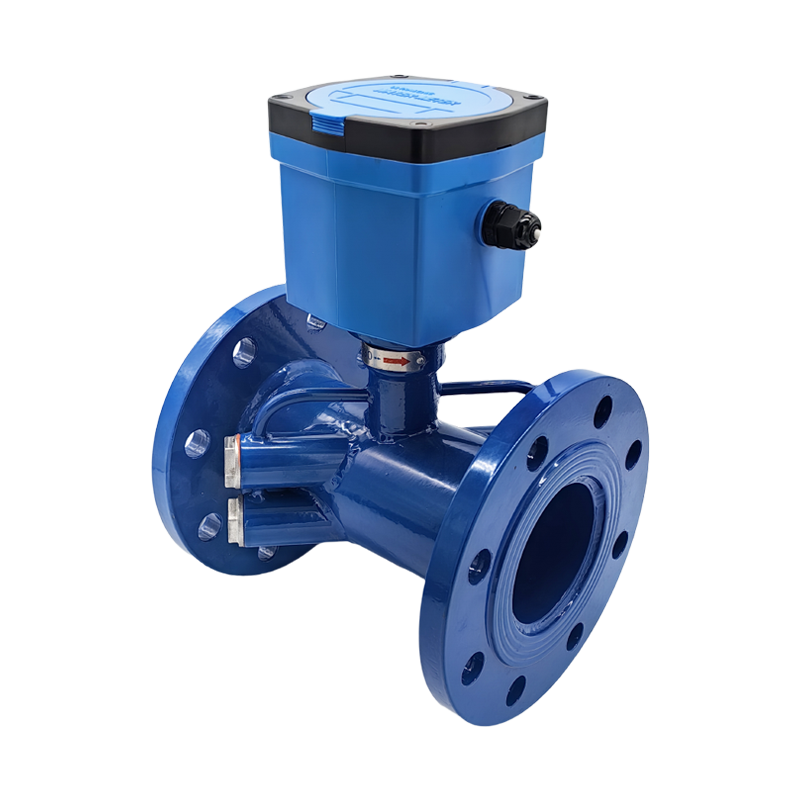
Octave ultrasonic flow meters represent a significant advancement in the field of flow measurement, particularly for liquids and gases. These instruments utilize ultrasonic technology to accurately measure the flow rate by sending sound waves through the fluid. The time it takes for the ultrasound to travel between transducers helps calculate the flow velocity, allowing for precise monitoring of fluid dynamics.
One of the primary advantages of octave ultrasonic flow meters is their non-invasive nature. Since they do not require any contact with the fluid, they minimize the risk of contamination and wear. This feature makes them especially beneficial for sensitive applications, such as in the pharmaceutical and food industries, where maintaining the integrity of the fluids is crucial.
Another notable benefit is their ability to function effectively in a wide range of operating conditions. Octave ultrasonic flow meters can handle different fluid types, including corrosive substances and slurries, without compromising accuracy. They also maintain reliability across various temperatures and pressures, making them adaptable to numerous industrial environments.
In terms of installation, octave ultrasonic flow meters are relatively easy to set up, often requiring minimal alterations to existing piping systems. Their compact design allows for flexibility in placement, and many models can be installed in both horizontal and vertical orientations. This adaptability can lead to significant savings in time and labor during installation.
Furthermore, these flow meters are equipped with advanced digital electronics, which enhance their performance. With features like data logging, remote monitoring, and integration with existing control systems, they can provide real-time information that aids in decision-making processes. This capability is critical in industries where precision and immediate response are necessary to optimize operations.
Maintenance of octave ultrasonic flow meters is generally straightforward, as they have fewer moving parts compared to mechanical flow meters. Regular calibration is essential to ensure long-term accuracy, but the intervals between these calibrations can be extended due to the stability and reliability of the ultrasonic technology.
Applications for octave ultrasonic flow meters are vast. They are commonly used in water treatment facilities, chemical processing plants, and HVAC applications, among others. Their ability to measure flow rates in challenging conditions makes them an invaluable asset for any process that requires precise fluid measurement.
In conclusion, octave ultrasonic flow meters provide a powerful solution for industries needing reliable and accurate flow measurement. Their advantages, such as non-invasive operation, adaptability to various conditions, and ease of installation and maintenance, make them a top choice for fluid measurement applications. Understanding how to effectively implement these devices can lead to improved processes and enhanced operational efficiency.
Octave ultrasonic flow meters represent a significant advancement in the field of flow measurement, particularly for liquids and gases. These instruments utilize ultrasonic technology to accurately measure the flow rate by sending sound waves through the fluid. The time it takes for the ultrasound to travel between transducers helps calculate the flow velocity, allowing for precise monitoring of fluid dynamics.
One of the primary advantages of octave ultrasonic flow meters is their non-invasive nature. Since they do not require any contact with the fluid, they minimize the risk of contamination and wear. This feature makes them especially beneficial for sensitive applications, such as in the pharmaceutical and food industries, where maintaining the integrity of the fluids is crucial.
Another notable benefit is their ability to function effectively in a wide range of operating conditions. Octave ultrasonic flow meters can handle different fluid types, including corrosive substances and slurries, without compromising accuracy. They also maintain reliability across various temperatures and pressures, making them adaptable to numerous industrial environments.
In terms of installation, octave ultrasonic flow meters are relatively easy to set up, often requiring minimal alterations to existing piping systems. Their compact design allows for flexibility in placement, and many models can be installed in both horizontal and vertical orientations. This adaptability can lead to significant savings in time and labor during installation.
Furthermore, these flow meters are equipped with advanced digital electronics, which enhance their performance. With features like data logging, remote monitoring, and integration with existing control systems, they can provide real-time information that aids in decision-making processes. This capability is critical in industries where precision and immediate response are necessary to optimize operations.
Maintenance of octave ultrasonic flow meters is generally straightforward, as they have fewer moving parts compared to mechanical flow meters. Regular calibration is essential to ensure long-term accuracy, but the intervals between these calibrations can be extended due to the stability and reliability of the ultrasonic technology.
Applications for octave ultrasonic flow meters are vast. They are commonly used in water treatment facilities, chemical processing plants, and HVAC applications, among others. Their ability to measure flow rates in challenging conditions makes them an invaluable asset for any process that requires precise fluid measurement.
In conclusion, octave ultrasonic flow meters provide a powerful solution for industries needing reliable and accurate flow measurement. Their advantages, such as non-invasive operation, adaptability to various conditions, and ease of installation and maintenance, make them a top choice for fluid measurement applications. Understanding how to effectively implement these devices can lead to improved processes and enhanced operational efficiency.
TAG: