Unlocking the Benefits of Greyline Instruments Flow Meters in Liquid and Gas Measurement
Mar 02,2026
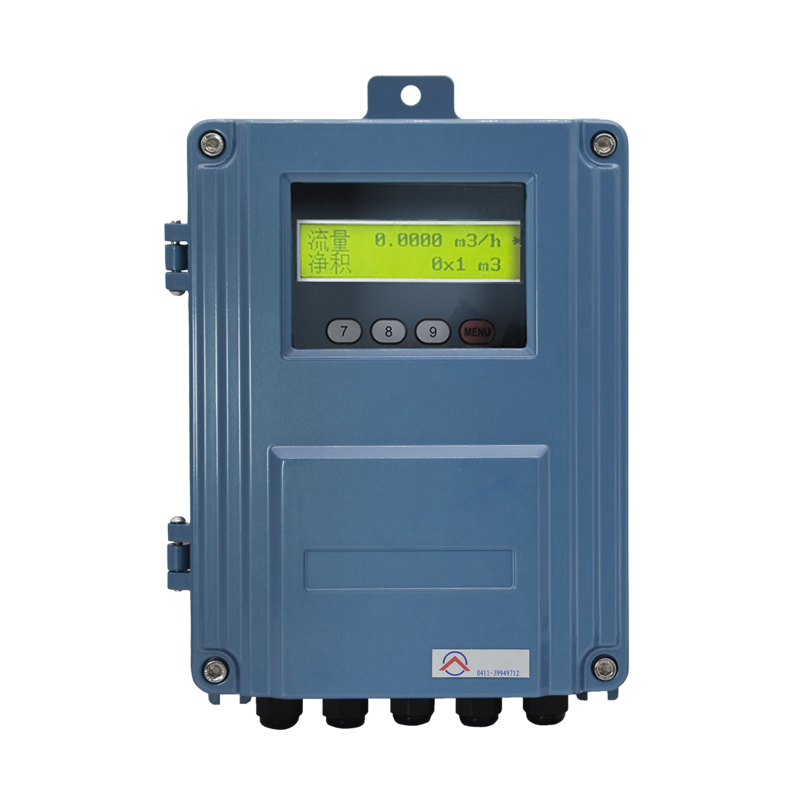
When it comes to accurately measuring the flow of liquids and gases, Greyline Instruments flow meters are a popular choice among professionals in the field. These instruments are known for their reliability, precision, and user-friendly features, making them an essential component in various industries. Understanding how these flow meters work and their benefits can help you make informed decisions for your measurement needs.
Greyline flow meters utilize various technologies, including electromagnetic, ultrasonic, and turbine methods, to capture flow data effectively. The choice of technology often depends on the specific application, fluid properties, and operational conditions. For example, electromagnetic flow meters are particularly effective in measuring conductive liquids, while ultrasonic flow meters excel in measuring non-conductive fluids, such as oils and gases. This diversity in technology allows for a tailored approach to flow measurement in different scenarios.
One of the standout features of Greyline Instruments flow meters is their ability to provide real-time data. Many models come equipped with digital displays and communication capabilities, enabling users to monitor flow rates and total volumes from a distance. This real-time feedback is crucial in applications where quick adjustments might be necessary, such as in process control or environmental monitoring.
Another significant advantage of using Greyline flow meters is their robustness and durability. Designed to withstand harsh environmental conditions, these instruments often feature protective casings and corrosion-resistant materials. This resilience not only extends the lifespan of the meters but also ensures consistent performance in demanding settings, such as wastewater treatment facilities or chemical processing plants.
Moreover, the installation and maintenance of Greyline Instruments flow meters tend to be straightforward. Many models are designed for easy setup, often requiring minimal tools and expertise. Additionally, regular maintenance can be performed with minimal downtime, allowing for continuous operation and reducing the risk of measurement errors.
When selecting a flow meter, it's essential to consider factors such as the type of fluid being measured, the expected flow rates, and environmental conditions. Greyline provides a range of models tailored to specific applications, making it easier to find the right fit for your project.
In conclusion, Greyline Instruments flow meters offer a blend of advanced technology, durability, and ease of use, making them an excellent choice for professionals in the gas and liquid measurement industry. By understanding their features and applications, you can leverage these instruments to enhance your measurement accuracy and efficiency. Whether you're in water treatment, manufacturing, or any other sector requiring precise flow measurement, Greyline can be a valuable partner in achieving your goals.
Greyline flow meters utilize various technologies, including electromagnetic, ultrasonic, and turbine methods, to capture flow data effectively. The choice of technology often depends on the specific application, fluid properties, and operational conditions. For example, electromagnetic flow meters are particularly effective in measuring conductive liquids, while ultrasonic flow meters excel in measuring non-conductive fluids, such as oils and gases. This diversity in technology allows for a tailored approach to flow measurement in different scenarios.
One of the standout features of Greyline Instruments flow meters is their ability to provide real-time data. Many models come equipped with digital displays and communication capabilities, enabling users to monitor flow rates and total volumes from a distance. This real-time feedback is crucial in applications where quick adjustments might be necessary, such as in process control or environmental monitoring.
Another significant advantage of using Greyline flow meters is their robustness and durability. Designed to withstand harsh environmental conditions, these instruments often feature protective casings and corrosion-resistant materials. This resilience not only extends the lifespan of the meters but also ensures consistent performance in demanding settings, such as wastewater treatment facilities or chemical processing plants.
Moreover, the installation and maintenance of Greyline Instruments flow meters tend to be straightforward. Many models are designed for easy setup, often requiring minimal tools and expertise. Additionally, regular maintenance can be performed with minimal downtime, allowing for continuous operation and reducing the risk of measurement errors.
When selecting a flow meter, it's essential to consider factors such as the type of fluid being measured, the expected flow rates, and environmental conditions. Greyline provides a range of models tailored to specific applications, making it easier to find the right fit for your project.
In conclusion, Greyline Instruments flow meters offer a blend of advanced technology, durability, and ease of use, making them an excellent choice for professionals in the gas and liquid measurement industry. By understanding their features and applications, you can leverage these instruments to enhance your measurement accuracy and efficiency. Whether you're in water treatment, manufacturing, or any other sector requiring precise flow measurement, Greyline can be a valuable partner in achieving your goals.
TAG: