How to Choose the Right Precision Vortex Flowmeter for Your Application
Apr 05,2026
How to Choose the Right Precision Vortex Flowmeter for Your Application
Table of Contents
1. Understanding Precision Vortex Flowmeters
2. Key Features of Precision Vortex Flowmeters
3. Factors to Consider When Selecting a Vortex Flowmeter
3.1. Flow Measurement Range
3.2. Fluid Properties
3.3. Installation Requirements
3.4. Accuracy and Calibration
3.5. Material Compatibility
4. Applications of Precision Vortex Flowmeters
5. Common Mistakes to Avoid When Choosing a Flowmeter
6. Maintenance Tips for Vortex Flowmeters
7. Frequently Asked Questions
8. Conclusion
1. Understanding Precision Vortex Flowmeters
Precision vortex flowmeters are widely recognized for their ability to measure the flow of liquids and gases with high accuracy. Utilizing the principles of vortex shedding, these instruments detect the frequency of vortices produced by an obstruction placed in the flow path. As the fluid flows past the obstacle, vortices are shed alternately from each side, creating oscillations that can be correlated to flow rates. This technology enables precise measurement in various industrial applications, making it a preferred choice in many sectors.
2. Key Features of Precision Vortex Flowmeters
To ensure you select the right vortex flowmeter, it’s essential to understand the key features that define its performance:
- **High Accuracy**: Precision vortex flowmeters typically offer high accuracy levels, which is crucial for applications where precise measurements are mandatory.
- **Wide Flow Range**: Many models can measure a broad spectrum of flow rates, making them versatile for different applications.
- **Low Maintenance**: Vortex flowmeters have no moving parts, requiring minimal maintenance while ensuring longevity.
- **Robust Design**: They are built to withstand extreme conditions, including high temperatures and pressures, suitable for various industrial environments.
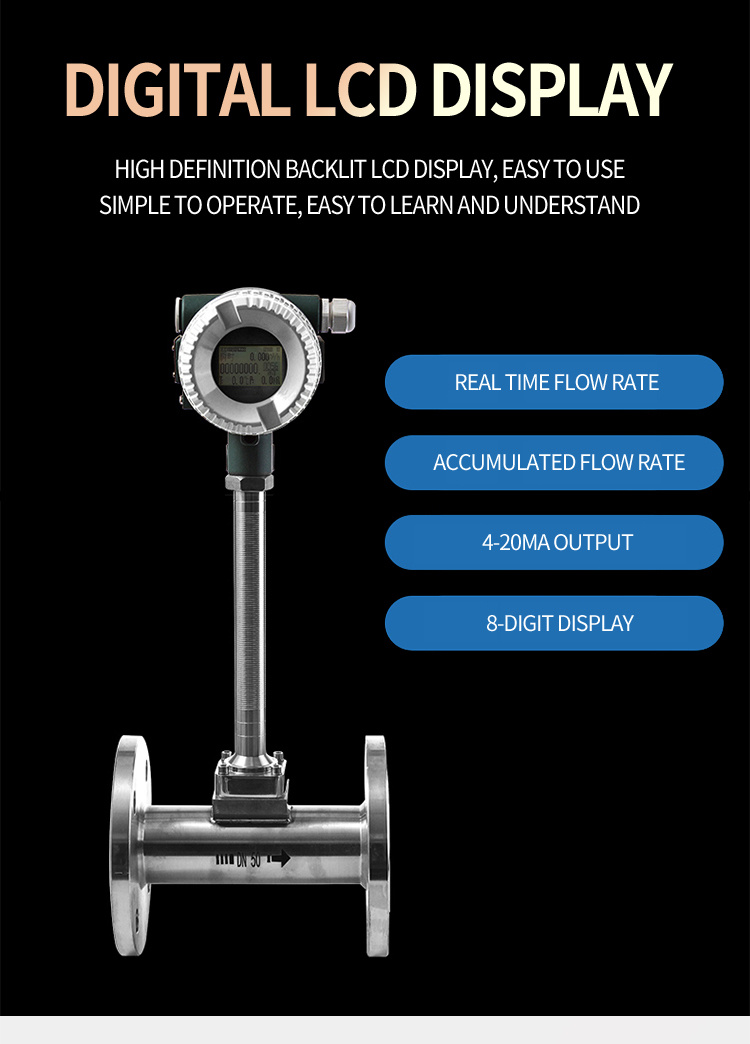
- **Digital Output**: Advanced models come with digital interfaces, providing real-time data for monitoring and analysis.
3. Factors to Consider When Selecting a Vortex Flowmeter
Choosing the right precision vortex flowmeter involves evaluating several critical factors to ensure the device meets your specific application needs.
3.1. Flow Measurement Range
The flow measurement range is one of the most important parameters. It’s crucial to choose a meter that can handle the minimum and maximum flow rates of your application. A meter that operates outside its specified range may yield inaccurate results or even fail.
3.2. Fluid Properties
Understanding the properties of the fluid being measured is vital. Factors such as viscosity, density, temperature, and pressure influence the flow characteristics. Ensure that the vortex flowmeter you select can handle the specific properties of your fluid.
3.3. Installation Requirements
Installation considerations include the orientation of the flowmeter, the available space, and the piping configuration. Vortex flowmeters typically require straight pipe runs upstream and downstream to ensure accurate readings. Assess your installation area to choose a model that fits seamlessly.
3.4. Accuracy and Calibration
Different applications demand different accuracy levels. Consider the precision required for your measurements and select a flowmeter that offers the necessary calibration capabilities. Regular calibration is essential to maintain accuracy over time.
3.5. Material Compatibility
The materials of construction for the flowmeter must be compatible with the fluids being measured. Corrosive substances may require special materials, such as Hastelloy or Teflon linings, to prevent degradation and ensure accurate measurements.
4. Applications of Precision Vortex Flowmeters
Precision vortex flowmeters are utilized across various industries, including:
- **Oil and Gas**: For measuring crude oil, natural gas, and other hydrocarbons.
- **Chemical Processing**: To monitor flow rates of chemicals in production processes.
- **Water Treatment**: For precise measurement of water and wastewater flow.
- **Food and Beverage**: To ensure accurate flow measurement of liquids in food processing and beverages.
- **Pharmaceuticals**: For monitoring the flow of active ingredients and other liquids in drug manufacturing.
5. Common Mistakes to Avoid When Choosing a Flowmeter
Avoiding common pitfalls can significantly enhance your selection process:
- **Neglecting Application Requirements**: Failing to consider the specific requirements of your application may lead to poor performance.
- **Overlooking Installation Needs**: Not accounting for installation space and pipe configurations can result in inaccurate measurements.
- **Ignoring Manufacturer Support**: Choose a manufacturer that offers reliable customer support, technical assistance, and warranty services.
- **Underestimating Maintenance Needs**: While vortex flowmeters are low maintenance, regular checks are still necessary to ensure accuracy.
6. Maintenance Tips for Vortex Flowmeters
To prolong the life of your vortex flowmeter and ensure its accuracy, adhere to the following maintenance practices:
- **Regular Calibration**: Schedule periodic calibration to maintain accuracy.
- **Visual Inspections**: Conduct regular visual checks for any signs of wear, corrosion, or damage.
- **Cleaning**: Depending on the application, cleaning the flowmeter may be necessary to prevent buildup that could affect readings.
- **Documentation**: Keep detailed records of maintenance activities, calibration dates, and any issues encountered.
7. Frequently Asked Questions
What is a vortex flowmeter used for?
Vortex flowmeters measure the flow rate of liquids and gases by detecting the frequency of vortices produced in the flow.
How accurate are vortex flowmeters?
Vortex flowmeters typically offer high accuracy, often within ±1% of the reading, making them suitable for various applications that require precise measurements.
Can vortex flowmeters measure both liquids and gases?
Yes, vortex flowmeters are versatile and can effectively measure both liquids and gases, provided they are designed for the specific fluid properties.
What are the installation requirements for vortex flowmeters?
Vortex flowmeters require straight pipe runs both upstream and downstream to ensure accurate flow measurement. The installation location must also be free from vibrations and turbulence.
How do I know if a vortex flowmeter is suitable for my application?
Evaluate factors such as flow range, fluid properties, installation requirements, and accuracy needs to determine the suitability of a vortex flowmeter for your application.
8. Conclusion
Choosing the right precision vortex flowmeter for your application demands careful consideration of various factors, including flow measurement range, fluid properties, installation requirements, and accuracy. By understanding the key features and common pitfalls associated with vortex flowmeters, you can make an informed decision that enhances the efficiency and reliability of your flow measurement processes. Always prioritize quality and compatibility to ensure optimal performance in your specific application.
TAG: