Understanding Ultrasonic GPM Flow Meters: Technology and Applications
Apr 11,2026
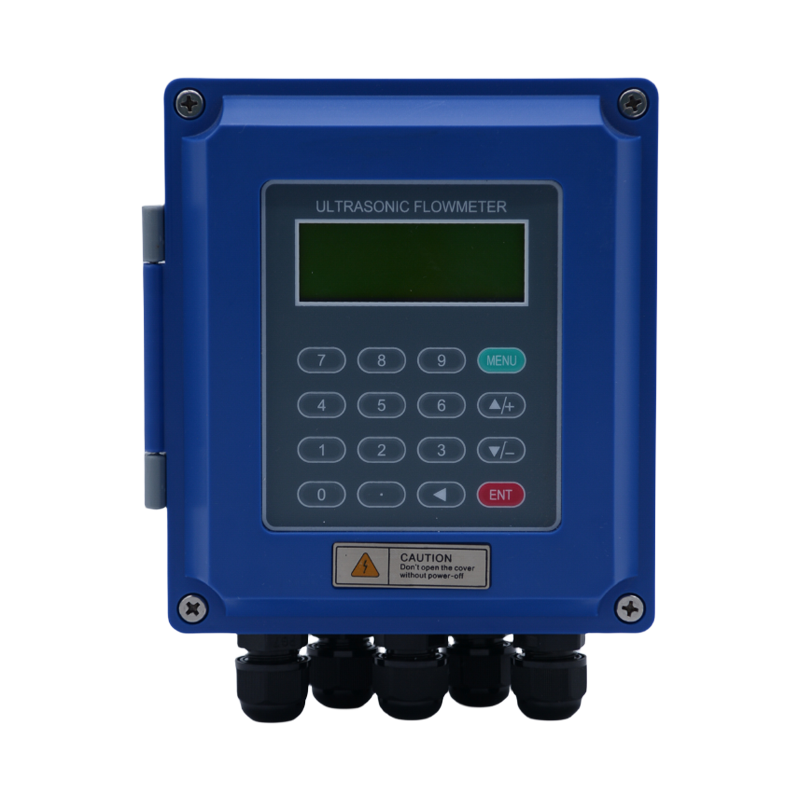
Ultrasonic GPM flow meters are advanced devices that utilize ultrasonic technology to measure the flow rate of liquids and gases. These meters operate based on the principle of ultrasonic sound waves, which are transmitted through the fluid being measured. By analyzing the time it takes for the sound waves to travel upstream and downstream within the fluid, the meter can accurately determine the flow rate in gallons per minute (GPM).
One of the primary advantages of ultrasonic GPM flow meters is their non-invasive measurement technique. Unlike traditional flow meters that require moving parts or direct contact with the fluid, ultrasonic meters can be installed externally on pipes. This not only helps in minimizing wear and tear but also reduces maintenance requirements. With no moving parts, the risk of mechanical failure is significantly lower, leading to a longer operational lifespan.
Ultrasonic flow meters are highly versatile and can measure a wide range of fluids, including clean water, wastewater, chemicals, and even certain gases. This adaptability makes them suitable for various industries, including water treatment, oil and gas, food and beverage, and HVAC systems. In applications where accurate flow measurement is critical, ultrasonic flow meters offer high precision and reliability.
Another significant benefit of ultrasonic GPM flow meters is their ability to provide real-time data. Many modern units come equipped with digital displays and communication capabilities, allowing for easy integration with existing monitoring systems. This feature enables operators to track flow rates continuously and make informed decisions based on real-time data.
Furthermore, the installation process of ultrasonic flow meters is typically straightforward. Since they do not require intrusive fittings or modifications to the existing piping system, they can be installed quickly and with minimal disruption to operations. This ease of installation makes them an attractive option for facilities looking to upgrade their flow measurement systems without extensive downtime.
In conclusion, ultrasonic GPM flow meters represent a sophisticated solution for measuring fluid flow in various applications. Their non-invasive nature, high accuracy, and versatility make them an excellent choice for industries seeking reliable flow measurement solutions. As technology continues to advance, these meters are expected to see even broader adoption, offering enhanced features and capabilities to meet the evolving needs of the market. Whether you are considering upgrading your existing flow measurement system or exploring options for a new installation, ultrasonic flow meters are worth considering for their numerous advantages in precision and efficiency.
One of the primary advantages of ultrasonic GPM flow meters is their non-invasive measurement technique. Unlike traditional flow meters that require moving parts or direct contact with the fluid, ultrasonic meters can be installed externally on pipes. This not only helps in minimizing wear and tear but also reduces maintenance requirements. With no moving parts, the risk of mechanical failure is significantly lower, leading to a longer operational lifespan.
Ultrasonic flow meters are highly versatile and can measure a wide range of fluids, including clean water, wastewater, chemicals, and even certain gases. This adaptability makes them suitable for various industries, including water treatment, oil and gas, food and beverage, and HVAC systems. In applications where accurate flow measurement is critical, ultrasonic flow meters offer high precision and reliability.
Another significant benefit of ultrasonic GPM flow meters is their ability to provide real-time data. Many modern units come equipped with digital displays and communication capabilities, allowing for easy integration with existing monitoring systems. This feature enables operators to track flow rates continuously and make informed decisions based on real-time data.
Furthermore, the installation process of ultrasonic flow meters is typically straightforward. Since they do not require intrusive fittings or modifications to the existing piping system, they can be installed quickly and with minimal disruption to operations. This ease of installation makes them an attractive option for facilities looking to upgrade their flow measurement systems without extensive downtime.
In conclusion, ultrasonic GPM flow meters represent a sophisticated solution for measuring fluid flow in various applications. Their non-invasive nature, high accuracy, and versatility make them an excellent choice for industries seeking reliable flow measurement solutions. As technology continues to advance, these meters are expected to see even broader adoption, offering enhanced features and capabilities to meet the evolving needs of the market. Whether you are considering upgrading your existing flow measurement system or exploring options for a new installation, ultrasonic flow meters are worth considering for their numerous advantages in precision and efficiency.
TAG: